With the global functional coffee market projected to grow from $4.98 billion this year to over $8.48 billion by 2031 (expanding at an impressive 11.23% annual growth rate), it’s clear our coffee habits are undergoing a massive shift. Driven by a consumer shift toward functional wellness, coffee has evolved into an all-day ritual. The once simple morning pick-me-up has blossomed into a springboard for innovation, particularly within the cold brew category. As modern drinkers seek out stomach-friendly profiles, sustainable sourcing, and functional benefits, cold brew has emerged as the ultimate versatile platform meeting these demands.

Here are 5 facts that you should know about cold brew coffee:
1. Cold brew is a fundamentally different drink than iced coffee
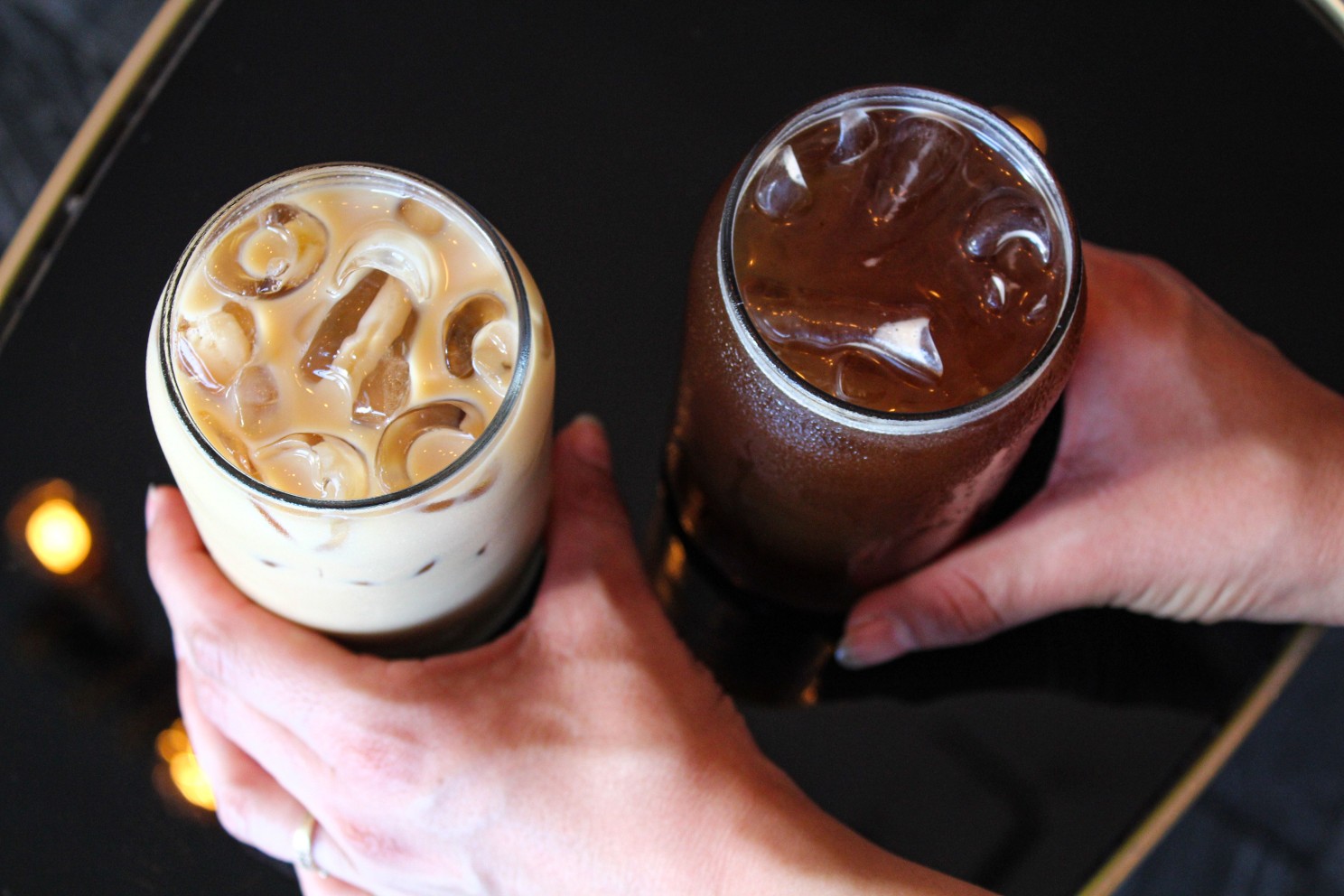
To understand why cold brew has captured the market, it is essential to clear up a common misconception: cold brew and iced coffee are completely different beverages. Iced coffee is brewed using hot water, essentially regular drip coffee that's cooled and poured over ice. In contrast, cold brew completely skips the heat. By steeping the grounds in cool water over time, it creates a higher caffeinated brew that's less acidic and less bitter but richer in flavor and smoother to drink.
2. Cold brew is crossing over into the wellness world
Cold brew is rapidly moving beyond simple morning caffeine routines and crossing directly into the functional wellness space. The naturally low acidity of a cold-water extraction makes the beverage uniquely gentle on the digestive tract, resulting in it being a stomach-friendly alternative to hot brewed coffee.
Beyond digestive comfort, the latest ready-to-drink innovations are infusing cold brew with functional, brain-health ingredients like Lion’s Mane mushroom and L-theanine. This combination delivers clean, jitter-free energy.
3. From Hand-Picked Coffee Beans to Regenerative Organic Certified®
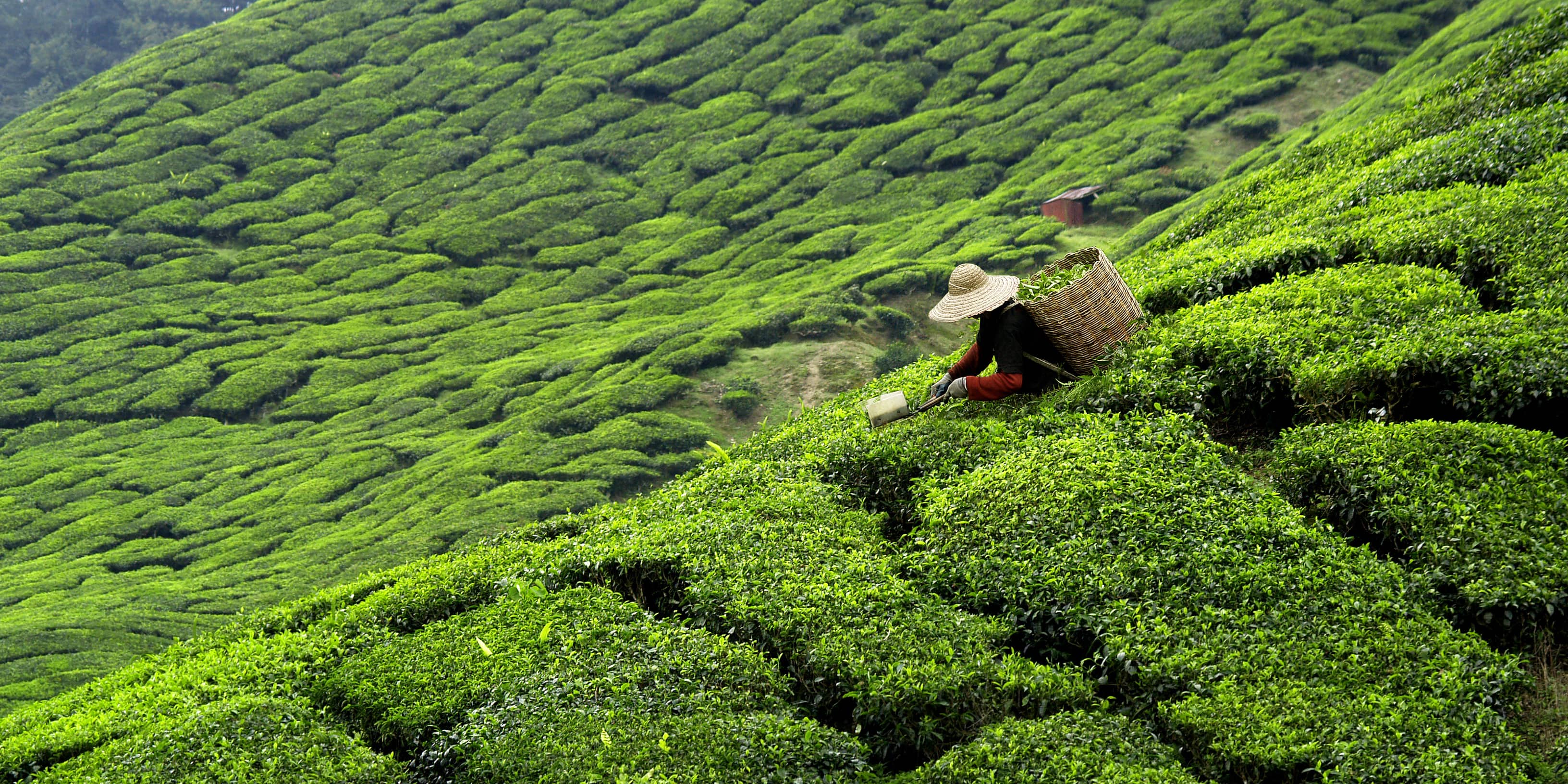
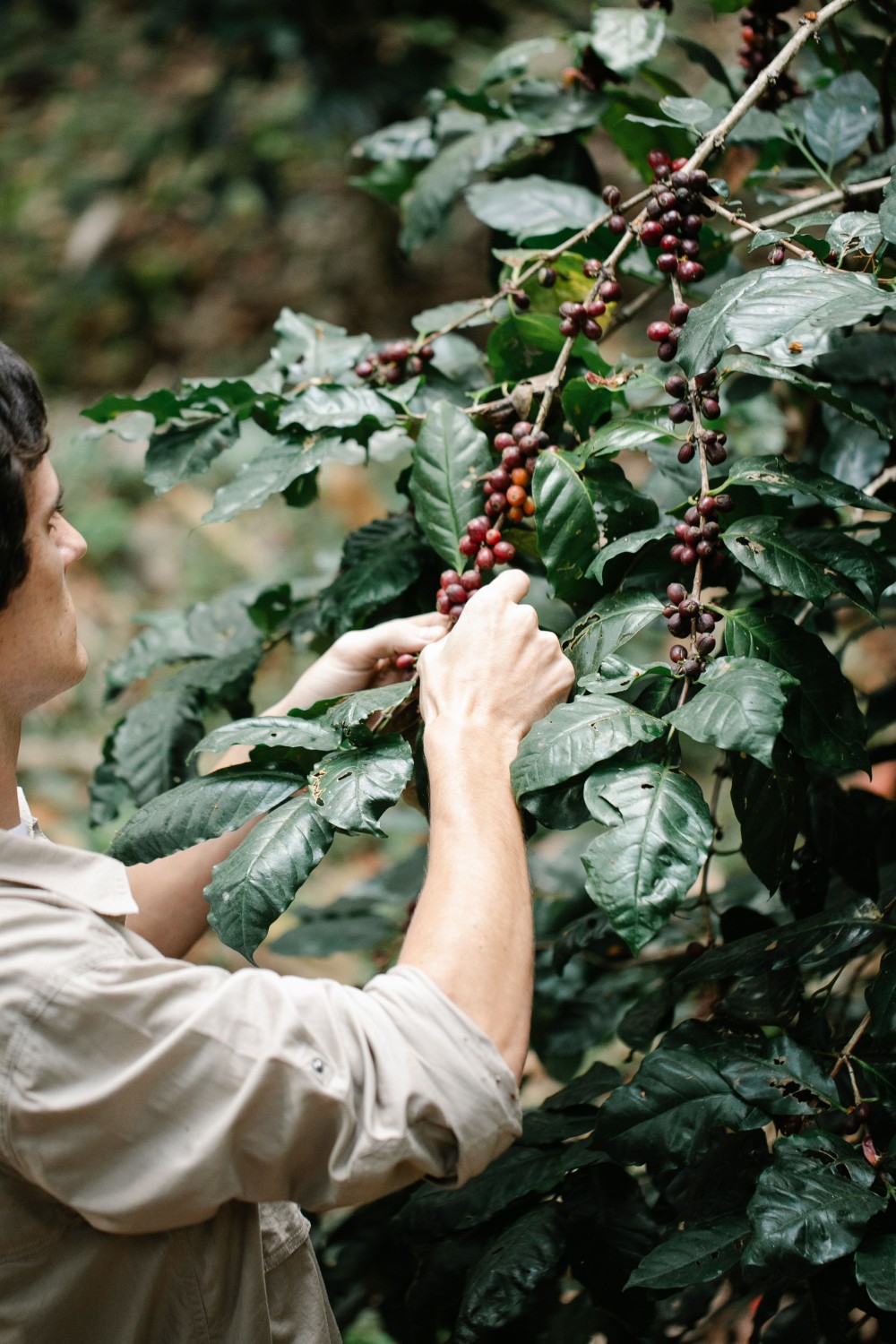
High-quality coffee begins on steep, mountainous hillsides where the beans are carefully selected and picked by hand. Because coffee plants are naturally understory trees, they thrive best when integrated into a diverse, multi-layered forest ecosystem that protects soil health and biodiversity. Within regenerative coffee production, four distinct shade ecosystems are utilized to foster these resilient crops:
- Rustic: Coffee is grown entirely beneath the canopy of a natural, unaltered forest.
- Traditional Polyculture: Farmers introduce an array of economically valuable, diverse shade trees directly into the native forest structure.
- Commercial Polyculture: The most widespread practice, where farmers grow adaptive timber and regional fruit trees alongside coffee to diversify their income.
- Technified Shade: The original forest is completely removed and replaced with a few specific, managed shade tree species.
Protecting these ecosystems is more urgent than ever. Coffee farming faces some real challenges with climate change, and experts estimate that the land suitable for growing coffee could drop by 50% by 2050. To combat this threat and future-proof the category, FedUp Foods partnered with Heirloom Coffee Roasters to launch the first-ever Regenerative Organic Certified® (ROC™) cold brew. This strict, groundbreaking certification enforces rigorous agricultural standards that actively restore topsoil health, increase local biodiversity, and guarantee fair living wages to the farmers caring for the land.
4. Maximizing Freshness and Stability: The Long-Lasting Advantages of Premium Cold Brew
One of the greatest advantages of cold brew is its remarkable stability. While a standard pot of drip coffee degrades within hours, cold brew maintains its vibrant, peak flavor profile for up to a week in a home refrigerator. This longevity offers unmatched convenience for consumers looking to stock up on their weekly fuel without losing premium taste. It also minimizes supply chain waste and ensures that from the time it is brewed to the shopping cart, the cold brew remains perfectly consistent, fresh, and delicious.
5. Growth of the Cold Brew Coffee Industry
Cold brew is definitely more than a passing trend. According to the National Coffee Association, over 62% of coffee drinkers aged 18-34 regularly consume cold brew. Younger demographics view cold brew as an affordable luxury and highly value the convenience of ready-to-drink formats. Furthermore, as consumers increasingly seek out products that align with their ethical values, there is a tremendous opportunity for private label grocery brands to offer high-quality and sustainable cold brew that rivals major name brands.
The future of coffee is cold, convenient, and deeply intentional. Consumers want more from their beverages, and cold brew has stepped up to deliver on all fronts. From supporting functional wellness and offering smooth, long-lasting flavor to championing environmental resilience through Regenerative Organic Certified® farming practices, the industry is evolving rapidly. By choosing a premium cold brew that prioritizes soil health, fair wages, and clean ingredients, coffee drinkers can elevate their daily routines while actively supporting a more sustainable food system. This next wave of coffee proves that a great cup of joe isn't just about the caffeine. It’s a mindful, all-day experience that benefits both people and the planet.
Sources:
- Cold Brew Coffee Market Size, Share, Growth, Forecast, 2034: Straits Research (May 2026).
- Functional Coffee Market - Trends, Size & Industry Analysis: Mordor Intelligence (2026).
- Science Spotlight: Coffee and Regenerative Farming Practices: FedUp Foods (2024).
- The Next Wave of Coffee: Functional, Flavorful, and All Day Long: FedUp Foods (2024).
- What Is Regenerative Organic Certified® Coffee? A Look at Coffee's Future: FedUp Foods (2024).
Get in Touch
Whether you have a general question or want to explore working together, use the form below and we'll get back to you soon.